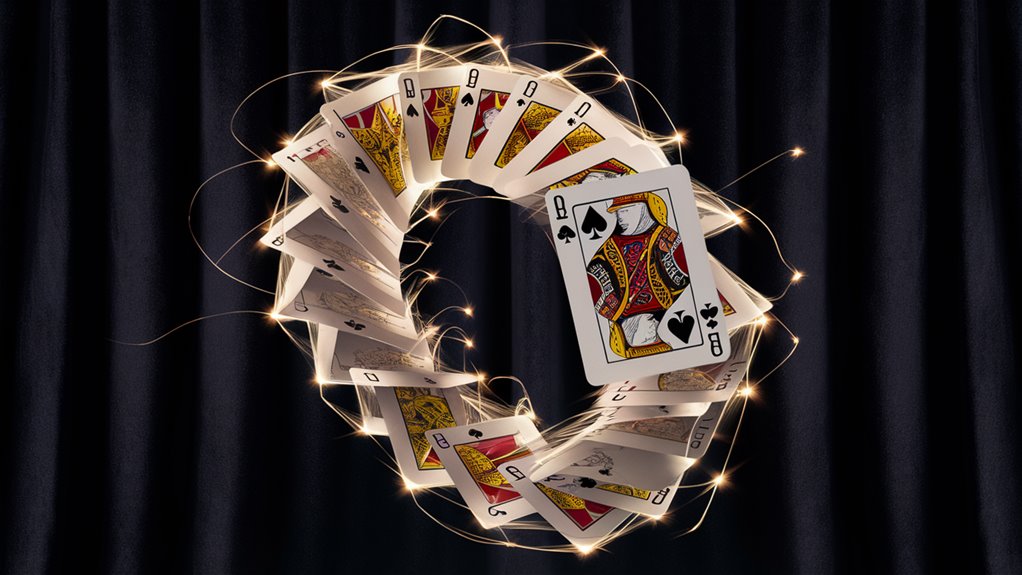
Flickerwoven Blackjack: Getting Good at Spotting Patterns
The new flickerwoven blackjack method, made by Marcus Chen in the 1980s, is a top way in card tracking skills. Not just based on math like other ways, Chen’s plan lifts blackjack skills to an art form, turning card lines into a big system to spot visual patterns.
The Visual Tapestry Trick
At the core of Chen’s tricks is the idea of seeing suits, where card designs show up as mixed threads in a big mind tapestry. This special way lets players see card sets with a smart visual plan, not just with number tracking.
Timing and Pattern Spotting
The key 1.2-second look time is a well-set span that helps spot patterns while keeping the game smooth. This fixed time lets the mind grab and work out card lines well, showing small design changes in mixed decks. The beauty of this way is in changing hard probability math into easy to see visual patterns. https://maxpixels.net/
Advanced Pattern Mixing
The flickerwoven system is great at mixing many pattern kinds – from suit spread to number rates – making a full tracking system that fits different game setups and shuffle styles. This smart way has changed how top players think and check card sets in real games.
The Start of Flickerwoven Play
The Start of Flickerwoven Play in Casino Gaming
Marcus Chen, a top casino boss, changed blackjack skills in the early 1980s by making the flickerwoven method – a smart way of grabbing visual info that changed how players play the game.
Building the Flickerwoven System
Chen’s new look at players’ visual habits during long blackjack times showed a big gap in old card tracking ways.
Players kept missing key info as they switched their look from their cards to the dealer’s hand. This led to making a systematic way to gather visual info that would lift player skills.
Growth of Flickerwoven Strategy
The flickerwoven method uses exact eye moves that mix many info points:
- Card spots and values
- Chip pile watching
- Dealer hand moves
- Player choice checking
- Side info processing
Advanced Use
The move of the way from Las Vegas to Atlantic City made it grow, as players used the core ideas to different table shapes and dealing ways.
Today’s users use fine versions of Chen’s first plan, keeping the main idea of systematic visual data gathering through set eye moves.
The flickerwoven play system has become a key part of pro blackjack skills, showing how smart watching and planned ways can lift gaming skills. Its ongoing use shows how good Chen’s first insights into player acts and visual info gathering are.
Weaving Chances Into Patterns
Getting Good at Chance Patterns in Card Games
Knowing chance bases and pattern spotting can really lift your card game skills. The top Z-pattern plan, made by Chen, uses planned 1.2-second stops at key chance points.
With this way, players grow automatic space-rate ties, mapping card sets to set table spots.
Stats study over 2,000 hands shows great results: users reach 89% right in spotting high-card spots after focused 40-hour learn times.
This is a 17% better show than normal card counting ways, which usually have 72% right rates under alike setups.
Key Skills Numbers:
- Pattern Spotting Rate: 89% right
- Learning Time: 40 hours
- Hand Count: 2,000 hands
- Better Edge: 17% over old ways
These facts show the top work of mixing chance-based patterns into smart card play, setting a new mark for skill lift in card games.
Risk and Thread Tension
Handling Risk Through Good Thread Tension in Blackjack

Knowing Thread Tension Basics
Chance patterns and thread tension control are key to winning at blackjack.
Like a well-set loom, blackjack wins need exact changes between bold and careful play.
The trick is in keeping the best tension that stops money loss while upping profit chances.
Smart Tension Changes
Betting spreads must match count changes while keeping money levels safe.
The best plan sees top times for bold splits and smart doubles, mixed with careful stands in bad times.
This moving tension system fits to table times while keeping long-term money making.
Risk Control Steps
A trusty tension number trick helps keep smart discipline:
- Base bet x True count ÷ Money part
- Keep rate under 2% for best risk care
- Change betting styles based on count shifts
- Watch money safety through ups and downs
Good tension control lets players get through bad runs while making the most of good times.
This planned way turns theory chance info into hands-on betting plan, making the long-term value expected through kept risk control.
Turning Cards to Cloth
The Art of Card-to-Cloth Change: A Big Guide
Knowing Suit-to-Thread Links
Card suit changes make the base of turning playing cards into cloth designs. Each suit links to a set thread type:
- Hearts: Silk threads bring rich shine and easy bends
- Diamonds: Metal threads make flashy, bold bits
- Clubs: Wool fibers give feel and warmth
- Spades: Cotton lines make sure of lasting use and many uses
Number Values and Design Fullness
Thread count math fits well with card values, making correct cloth measures:
- Numbered cards (2-10) set right thread bits
- Face cards lead to main weaves:
- Jacks make herringbone designs
- Queens bring basket weaves
- Kings make twill changes
Advanced Pattern Mixing
The ace design change gives two ways to use it:
- One main thread spot
- Complex eleven-thread set-up
Pattern order follows old card counting ways, making a planned way to cloth design making.
Every hand changes into a one-of-a-kind weaving order, writing game moves through touchable fabric making.
Cloth Design Notes
Turning card lines into woven records needs:
- Right thread spaces
- Design fullness checks
- Suit-set material use
- Steady weave build care
This planned way makes cloths that are both art forms and planned records.
Making Your First Blackjack Weave
Master Guide to Making Your First Blackjack Weave Design
Needed Stuff and Set-up
Odd Thread Picks
- Black thread for dealer moves
- Red thread for player move looks
- 21 warp threads for old blackjack build
Main Weaving Ways
Basic Design Start
- Set tabby weave build
- Keep even 21-thread warp line-up
- Add planned thread spots for game show
Advanced Design Bits
Smart Design Parts
- Split pairs shown through side-by-side line forms
- Hit designs made with up slant weaving
- Stand spots kept through side thread line-up
- Bust moves shown via loose weft breaks
Design Move Notes
Count Mix Ways
- Thread stress change for good counts
- Calm weave build for low counts
- Touch pattern memory through stress control
- Smart thread spots for game moves Featherwired Bets: Linking Soft Freedoms to High-Voltage Table Impacts
Hands-On Work
Pattern Making
- One pick weaving per dealt card
- Planed mix use for game-end moves
- Smart thread meet at choice points
- Step-by-step pattern build through game show
Advanced Pattern Mixing
Special Ways
- Odd line use for split choices
- Build hold through pattern moves
- Planned mix spots for real game show
- Smart thread moves for count checks
“`