
How to Pick Songs Based on Crowd Mood
Getting How People Feel
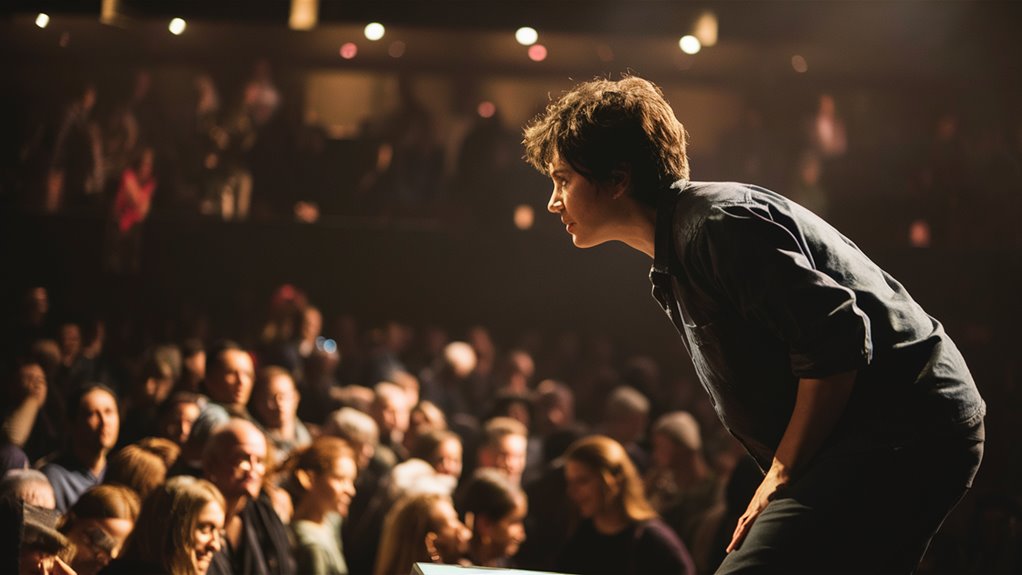
Seeing how the crowd feels is a key skill that makes some performers great. Checking the crowd’s vibe means always watching for small signs, body moves, and how everyone acts during your show. By knowing these signs from your audience, you can change your songs right then to make the biggest splash. 베트남 KTV
Main Signs That People Are Into It
How busy the dance floor is, how the crowd moves, and what they shout tell you a lot about if they are having fun. When people move together, sing along, or wave their hands, it shows they really like your music. On the other hand, less energy in the crowd or people leaving means you might need to switch up your songs quick.
Smart Song Picks
Choosing your songs wisely means thinking about:
- When the energy is high
- What kind of crowd is there
- The feel of the place
- What time it is
Better Ways to Read the Crowd
Use these expert methods:
- Watch how into it the front row is
- See how full the dance floor gets
- Look at how people are getting along
- Watch how the crowd moves
- Feel out how they react to different music types
Changing Your Show on the Fly
Keep the crowd energy up by:
- Switching music styles based on what gets a good reaction
- Changing the beat speed to match the vibe
- Playing songs in key with each other
- Keeping a theme in your music
- Building up and cooling down the energy wisely
Doing well in making your show better on the spot means always getting better at these skills while staying true to your music style.
Feel Out the Room’s Vibe
How to Know and Use the Room’s Feel for the Best Effect
Getting the Crowd’s Vibe
Knowing the room’s vibe is a must for nailing any act or talk. The first moments after you step in are key times to see how the audience feels and to plan your best move.
Signs You Can See
Watching body language is a strong way to judge the crowd. Look for these signs:
- Groups that are talking a lot
- People leaning in shows interest
- Looking right at you means they’re listening
- Open stances mean they’re open to what you’re saying
When People are Not Into It
Signs of no interest need fast changes in your plan:
- Arms crossed show they’re not open
- Looking at phones a lot
- Eyes going all over show they’re not focused
- Stances that are closed off show a disconnect
Using Sounds and Moves to Understand
Noting things around you helps understand how into it the crowd is:
- How loud the place is can tell group mood
- Sudden cheers show they’re into it
- How loud people talk shows if they’re interested
- Moving in time with the beat shows a deep link
- Small moves without thinking show real feelings
These behaviors all together give you a clear picture of the room’s energy feel, helping you connect with the audience and change your act to work better.
Know the Non-Talk Signs
How to Get What the Crowd is Saying Without Words
Reading Body Language
Body moves tell you a lot between you and your crowd.
Top performers need to be good at seeing and making sense of these signs right as they happen.
Main things to look for include changes in how they sit – leaning in usually means they’re into it, while defensive moves like crossing arms might mean they’re not feeling it.
Seeing Faces and How Into It They Are
Faces give real-time feedback about how well you’re doing.
Keep an eye out for these major signs:
- Good signs: High eyebrows, big eyes, real smiles
- Signs they’re into it: Nodding, keeping eye contact, reacting right with their faces
- Signs you’re losing them: Brows pulled together, empty stares, lots of yawning
Seeing How the Group Acts
How the group moves shows how into it they are.
Good signs show through:
- Being a part of the rhythm: Dancing, swaying, tapping feet
- Answering back: Quick hand raises, call and answer
- Energies together: Moving as one, reacting the same
Signs of Trouble and How to Fix It
Watch for these big no-no signs:
- Too much phone time
- Pulling back: Heading to the doors
- Not paying attention: Long side talks, eyes not on you
Great performers keep watching these non-talk hints, changing their act to keep a good link and keep everyone hooked.
Smart Song Choosing Ways
Smart Song Picks: Best Ways to Make Your Show Great

Linking With the Crowd Through Music
Picking songs smartly is key to unforgettable shows, turning normal sets into big music moments.
This skill is not about what you like, but about what works for each unique crowd.
Seeing and Matching Crowd Energy
Watching crowd vibes needs you to be alert and ready to switch it up.
When you see signs of low energy, start bringing in mid-speed songs.
For crowds that can’t sit still, throw in big-beat songs to catch them back and bump up the fun.
How to Lay Out Your Songs
Planning your songs builds strong feels through your show.
Organize your songs with:
- Starting with well-known hits
- Keeping a mix of speeds in the middle
- Placing high points just right
- Managing the flow with smart changes
Event-Based Song Picks
Picking for the event needs you to think about:
- Who’s there
- If the place fits
- What’s culturally cool
- Time and place stuff
Throw in smart cover songs and mixing music types to keep the interest high and max out how into it everyone is.
Changing Your Show as You Go
Changing Your Show Live: How to Keep It Fresh
Getting How Into It They Are
Changing up your show live turns fixed plans into live hits. Pros need to be sharp about seeing how the crowd feels and switch up their music fast.
Things to watch include how the group moves, face looks, how they mix, and shifts in the vibe.
Quick Change Skills
Making changes fast needs you to be good at several things:
- Feeling the crowd’s energy
- Switching songs quick
- Kids tuning in to the setting
- Picking songs right
When people’s mood goes up and down, performers must make quick smart moves. Turning a slow moment with fast tempo changes or moving from chill tunes to big beats can quickly change the room’s feel.
Keeping an Eye on Everything
Watching the crowd live means you can’t miss a beat.
- How they respond physically
- Sound levels around
- How busy the dance floor is
- How folks get along
Being Ready to Mix It Up
Being able to change up your show means:
- Being able to play different styles
- Knowing lots of music types
- Being good at your art
- Getting how people tick
Doing well in making your shows better as they happen comes from turning possible bad vibes into good times that keep going strong.
Each show is a back and forth between you and the crowd, making unique feels through music that answers right back.
Making Tunes Connect and Flow
Making Tunes Connect and Go: A How-To for Artists
Knowing Show Vibes
Linking with music and keeping the show going is more than just being good at playing? you need feeling for others and quick thinking.
Top artists always watch how into it people are by checking the room’s feel and little hints on how they act.
Real Music Moments
Being great at performing is not just about playing well, but about making shared feels.
Good performers grow their skill in reading the crowd by:
- Seeing how people react
- Switching up songs as needed
- Changing how intense their act is
- Keeping an eye on the crowd’s energy
Keeping It Fresh as You Go
Being able to shift your music lets artists change a crowd through smart moves in:
- Switching music types Marketing Your Karaoke Event: Social Media and Beyond
- Playing with the speed
- Changing how strong the feel is
- Linking emotions in the music
Making the Most of Every Show
The heart of great shows is staying in the moment and seeing music as a chat with the crowd.
By staying tuned to what the crowd gives back, performers can:
- Lead the musical trip together
- Create nights to remember
- Make deep links
- Build feelings that last
All these pieces work together to lift simple shows to big music events that touch people long after the last note.