Mindful Gambling: Advanced Techniques for Enhanced Focus and Control
The Foundation of Mindful Gambling
Mindfulness-based gambling strategies combine focused awareness and emotional regulation to create a more controlled gaming experience. Strategic breathing techniques like the 4-7-8 pattern and body scan meditation serve as powerful tools for maintaining optimal concentration during gameplay while effectively managing stress responses.
Core Mindfulness Practices for Gamblers
Regular mindfulness exercises enable precise tracking of betting patterns and bankroll fluctuations. Through systematic meditation practice, players develop enhanced decision-making capabilities free from emotional interference. This heightened awareness leads to improved risk assessment and more strategic gameplay choices.
Structured Approach to Gambling Success
Implementing scheduled gaming breaks and predetermined betting limits creates a robust framework for sustained performance. Emotional state documentation helps identify triggers and patterns, leading to more informed decisions. These evidence-based mindfulness techniques establish a solid foundation for mastering the psychological aspects of responsible gambling.
Essential FAQ Section
Q: How does mindfulness improve gambling performance?
A: Mindfulness enhances focus, reduces emotional reactivity, and improves decision-making during gameplay through systematic breathing and meditation techniques.
Q: What is the 4-7-8 breathing technique?
A: The 4-7-8 pattern involves inhaling for 4 seconds, holding for 7 seconds, and exhaling for 8 seconds, promoting relaxation and mental clarity.
Q: How often should mindfulness exercises be practiced?
A: Daily practice of 10-15 minutes is recommended, with additional brief sessions before and during gambling sessions.
Q: Can mindfulness help with bankroll management?
A: Yes, mindfulness training improves awareness of spending patterns and helps maintain disciplined bankroll control.
Q: What are the signs of effective mindfulness practice in gambling?
A: Indicators include improved emotional regulation, better focus during gameplay, and more consistent decision-making patterns.
Understanding Mindfulness in Gambling

Understanding Mindfulness in Gambling: A Comprehensive Guide
The Three Pillars of Mindful Gambling
Mindful gambling combines three essential components that transform recreational betting into a controlled, conscious activity.
These fundamental elements work together to create a framework for responsible gaming behavior and improved decision-making.
Present-Moment Awareness
Present-moment awareness in gambling involves maintaining complete focus on current circumstances, including:
- Active observation of game dynamics
- Real-time monitoring of betting patterns
- Conscious tracking of bankroll fluctuations
- Emotional state assessment during gameplay
Non-Judgmental Observation
Mindful observation enables players to:
- Recognize emotional triggers without reactive betting
- Process winning and losing streaks objectively
- Maintain emotional equilibrium during gameplay
- Separate feelings from betting decisions
Conscious Decision-Making
Strategic gambling decisions emerge from:
- Systematic analysis of betting opportunities
- Calculated risk assessment before placing wagers
- Rational bankroll management practices
- Evidence-based gaming strategies
Implementing Mindfulness in Gambling Practice
Research-backed mindfulness techniques enhance gambling experiences through:
- Regular emotional check-ins
- Structured betting limits
- Predetermined time constraints
- Clear financial boundaries
Frequently Asked Questions
Q: How does mindfulness improve gambling decisions?
A: Mindfulness enhances awareness of betting patterns, emotional states, and financial implications, leading to more controlled gambling behavior.
Q: Can mindfulness help prevent problem gambling?
A: Yes, mindful gambling practices promote self-awareness and responsible betting habits, reducing impulsive decisions.
Q: What’re the best mindfulness exercises for gamblers?
A: Key exercises include breathing techniques, emotional awareness practices, and systematic betting assessment protocols.
Q: How long does it take to develop mindful gambling habits?
A: Developing mindful gambling habits typically requires consistent practice over several weeks or months.
Q: Is mindful gambling suitable for all types of betting?
A: Yes, mindfulness principles can be applied to all forms of gambling, from casino games to sports betting.
Breathing Exercises for Better Focus
Breathing Exercises for Enhanced Mental Focus and Performance
Essential Breathing Techniques for Peak Concentration
The 4-7-8 breathing technique serves as a foundational practice for developing enhanced focus and mental clarity.
This structured breathing pattern involves inhaling for 4 seconds, holding for 7 seconds, and exhaling for 8 seconds.
Regular practice activates the parasympathetic nervous system, leading to improved cognitive performance and reduced stress levels.
Advanced Breathing Methods for Sustained Focus
Box breathing, also known as square breathing, represents a powerful tool for maintaining concentration during challenging tasks.
The technique follows a four-count pattern: inhale (4), hold (4), exhale (4), hold (4).
Scientific research demonstrates that this method effectively reduces cortisol levels and enhances cognitive function, making it invaluable for high-pressure situations requiring sustained attention.
Diaphragmatic Breathing for Extended Focus Sessions
Deep diaphragmatic breathing combined with mindful awareness creates an optimal state for prolonged concentration.
When experiencing mental fatigue or decreased attention, implement the three-breath reset technique, focusing intently on the sensation of air flowing through the nostrils.
Clinical studies indicate that consistent breathing practice can result in up to 15% improvement in cognitive performance during complex analytical tasks.
Frequently Asked Questions
Q: How quickly can breathing exercises improve focus?
A: Initial benefits can be experienced within minutes, while lasting improvements develop over 2-3 weeks of regular practice.
Q: What’s the best time to practice breathing exercises?
A: Morning sessions prove most effective, though exercises can be beneficial at any time when concentration is required.
Q: How long should each breathing session last?
A: Start with 5-minute sessions, gradually increasing to 10-15 minutes for optimal results.
Q: Can breathing exercises help with mental fatigue?
A: Yes, strategic breathing techniques significantly reduce mental exhaustion and restore cognitive clarity.
Q: Are there any precautions when practicing breathing exercises?
A: Begin gently and maintain comfortable breathing patterns, avoiding lightheadedness or strain.
Meditation Between Gaming Sessions

Meditation for Gamers: Optimizing Performance Through Mindful Breaks
The Power of Meditation Between Gaming Sessions
Strategic meditation breaks between gaming sessions serve as a powerful tool for enhancing gaming performance and mental clarity.
Implementing a structured 10-15 minute meditation routine can dramatically improve decision-making capabilities and emotional control during gameplay.
Core Meditation Components for Gamers
Body-Mind Integration
- Physical tension release in shoulders and jaw
- Posture optimization for gaming sessions
- Breathing techniques for stress management
Mental Reset Protocol
- Thought observation without judgment
- Emotional detachment from previous matches
- Performance pattern recognition
Scientific Benefits for Gaming Performance
Research demonstrates that brief meditation 먹튀검증커뮤니티 intervals deliver significant advantages:
- Reduced cortisol levels for better stress management
- Enhanced cognitive flexibility during gameplay
- Improved focus and concentration
- Better bankroll management decisions
- Increased pattern recognition abilities
FAQs About Gaming Meditation
Q: How long should I meditate between gaming sessions?
A: Optimal duration is 10-15 minutes for maximum cognitive benefits while maintaining gaming momentum.
Q: What’re the best meditation techniques for gamers?
A: Focus on breath awareness, body scanning, and thought observation without judgment.
Q: Can meditation improve my gaming performance?
A: Yes, through enhanced focus, better emotional control, and improved decision-making capabilities.
Q: When is the best time to incorporate meditation during gaming?
A: After each major session or when experiencing tilt to reset mental state.
Q: How quickly can I see results from gaming meditation?
A: Many gamers report immediate benefits in emotional regulation and focus, with cumulative improvements over consistent practice.
Managing Emotional Decision Making
Managing Emotional Decision Making: A Comprehensive Guide
Core Emotional Management Strategies for Decision Making
Emotional intelligence and strategic decision-making form the cornerstone of effective judgment in high-pressure situations.
Understanding and implementing these five essential skills can transform reactive choices into calculated decisions.
1. Emotional Trigger Identification
Strategic awareness begins with recognizing your specific emotional triggers.
Monitor physiological responses like increased heart rate, tension, or euphoria that may signal declining judgment.
Create a personal trigger inventory documenting situations that consistently impact your emotional state.
2. Precise Emotional Labeling
Transform vague feelings into specific emotional definitions.
Instead of feeling broadly “bad” or “good,” identify exact emotions like frustration, anxiety, or overconfidence.
This precise emotional awareness enables more targeted self-regulation strategies.
3. Systematic Cooling-Off Protocol
Implement a structured emotional reset period lasting minimum 10-15 minutes when experiencing heightened emotions.
Use this time for mindful reflection and strategic assessment rather than immediate action.
4. Decision Documentation System
Maintain a detailed emotional decision log tracking:
- Current emotional state
- Situational context
- Decision outcome
- Pattern recognition
- Strategy adjustments
5. Pre-Commitment Framework
Establish clear behavioral boundaries and action limits before entering high-stakes situations.
These predetermined guidelines serve as objective guardrails when emotions threaten rational judgment.
Frequently Asked Questions
Q: How long does it take to develop effective emotional management skills?
A: Developing robust emotional management typically requires 3-6 months of consistent practice in low-pressure situations.
Q: What’re the most common emotional triggers in decision-making?
A: Key triggers include time pressure, financial stakes, peer pressure, past negative experiences, and uncertainty about outcomes.
Q: How can I maintain emotional control during critical moments?
A: Focus on breathing techniques, stick to pre-established protocols, and utilize objective decision metrics rather than emotional impulses.
Q: What role does sleep play in emotional decision-making?
A: Adequate sleep is crucial for emotional regulation, with research showing that sleep-deprived individuals make 40% more impulsive decisions.
Q: How can I measure improvement in emotional management?
A: Track decision outcomes, emotional state ratings, and adherence to predetermined strategies through consistent documentation and analysis.
Creating Your Mental Preparation Routine
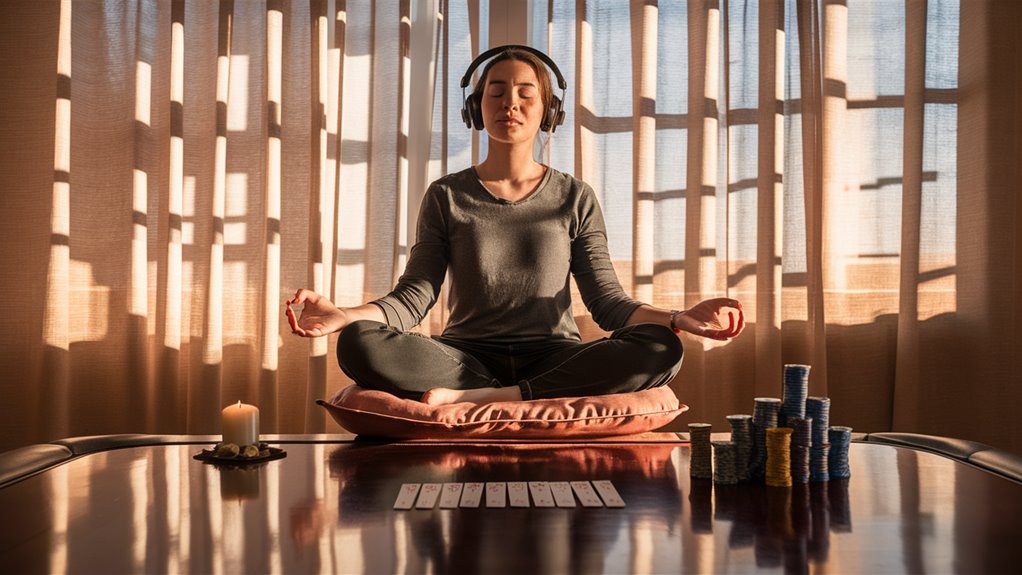
Creating Your Mental Preparation Routine for Peak Performance
Building a Pre-Performance Mental Framework
Mental preparation routines establish the foundation for consistent, high-level performance under pressure.
A well-structured approach integrates mindfulness techniques, strategic planning, and emotional regulation to optimize decision-making capabilities.
Essential Components of Mental Preparation
Dedicated Space and Time Management
- Establish a quiet environment for 5-10 minutes of focused preparation
- Practice controlled breathing exercises (4-4-4 pattern)
- Activate the parasympathetic nervous system for enhanced cognitive function
Strategic Planning and Documentation
- Review and document predetermined limits and strategies
- Implement written goal-setting techniques
- Track performance metrics through systematic journaling
Advanced Visualization Techniques
Progressive Relaxation Protocol
- Conduct systematic body scan meditation
- Practice scenario visualization
- Develop response strategies for high-pressure situations
Performance Optimization Through Goal-Setting
Measurable Objectives
- Define clear performance metrics
- Focus on process-oriented goals
- Maintain strategic discipline
Frequently Asked Questions
Q: How long should a mental preparation routine take?
A: Allocate 5-10 minutes for optimal effectiveness without mental fatigue.
Q: What’re the key benefits of written documentation?
A: Written documentation increases follow-through by 42% and enhances accountability.
Q: How often should mental preparation routines be practiced?
A: Practice consistently before each performance session for maximum benefit.
Q: Can visualization techniques improve decision-making?
A: Yes, visualization strengthens neural pathways and improves real-time responses.
Q: What role does breathing play in mental preparation?
A: Controlled breathing activates the parasympathetic nervous system, reducing anxiety and enhancing focus.