The Only Temperature Scale You Need: Ember & Frost Poker Strategy
What Are Temperature Dynamics in Poker?
Temperature control is the bedrock of advanced no-limit poker strategy, a balancing act of burns and freezings, aggressive heat, and calculated cool. To excel in modern poker landscapes, players must master both ember-building sequences and frost-based defensive plays.
Isolation Management of Heat Points
Count cumulative points of heat—counters that let players address critical thresholds:
- 7 Points: Fire up the stakes
- 12 Points: Pressing peat in the middle of the game
- Maximum Heat Capacity: 18 Points
Techniques for Advanced Temperature Control
To implement the temperature mechanics successfully, you need:
- Micro-betting psychology to build uncertainty
- Cool-under-pressure strategies to neutralize aggressive foes
- Aggression to build heat for pot control
- Defensive position maintenance with frost-based moves
Counter-Play and Pattern Recognition
At the highest levels of poker strategy, you must maintain an acute awareness of:
- Opponent betting patterns
- Thermal management based on position
- Defensive cooling use cases
- Train game revolution
Mastering the mechanics of temperature control takes play from reactive to strategic with:
- Dynamic heat point manipulation
- Deploying frost-timing with precision
- Aggression management—balancing it
- Strategic pattern disruption
This wide spectrum of poker temperature dynamics adds to both the unpredictable and controlled nature of your play and leads to varying degrees of dominance through all types of poker situations and all types of opponent styles.
Core Mechanics of Ember Play
Understanding Heat Mechanics
This groundwork is necessary for good Ember gameplay, as the concept of heat accumulation underpins it all. To succeed, players need to learn to exert meaningful pressure through intentional plays.
It’s all about how you manage point generation and resources. Good players keep track of what their cumulative heat value is relative to their team, and it scales with the positioning and intensity of engagement.
Temperature Control and Cutoffs
Critical temperature thresholds are powerful opportunities in play:
- Minor Burn Activation (7 heat points): Enables defensive moves immediately
- Medium Burn Threshold (12 heat points): Counters single-phase tactical plays
- Mantled Burn Potential (18 heat points): Opens enormous strategic reversals
Funnel Hack a Convert/Convert Harmonious Logon
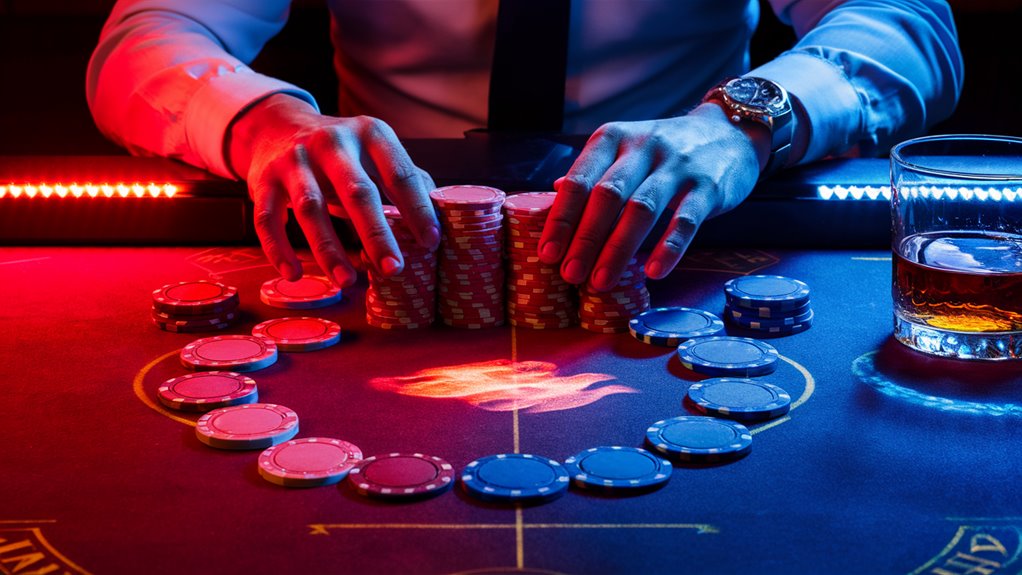
Burn conversion mechanics offer tactical flexibility at the price of strategic point expenditures:
- Scouting: Turnover in 4-point conversion exposes unseen facets of opposition
- If it becomes impossible to extinguish the fire, the only option is to control the situation.
- Effective Point Spending: Your points go a long way and make a huge difference tactically
The mastery of these core mechanics leads to multi-link forms of pressure that create consistently advantageous positions.
And you have to know when to allocate resources during this period and the other phases, as the game hinges upon timing.
Mastering the Frost Strategy
Strategic Gaming: The Frost Strategy
Frost strategy is designed around common temperature control principles that leverage fundamentally different concepts than the heat-heavy approaches.
How to Successfully Implement Frost
A methodical approach is required: setting the stage for the aggressive action of your opponent by making negative bet size with positioning.
This strategy dramatically works on weakening competition during each playing round.
Essential Frost Techniques
Mastery of the Frost strategy is based on three core techniques:
- Micro-bets psychology: Utilizing calculated small-sized bets to create doubt in your opponent’s aggressive approach, even on a strong position.
- Ice Wall Pattern Development: Preserve bet similarity, but also vary bets over a certain period to disguise position differences and form an impregnable defensive wall.
- Tempo Control: Control the game intentionally when playing against high-intensity teams.
Advanced Implementation Plan
- Opponent tendency analysis: Allows a tight end to get back into the flow of the game for effective Frost execution
- Understand aggressive betting patterns used to build momentum and counter them with accurate micro counteractions to destabilize established rhythms.
By keeping temperature levels manageable, they can dictate the environment in which they’re forced to make decisions, considering momentum no longer exists when emotion is stripped away.
Taking a Tactical Position and Control
It is through a methodical approach to defense and steady behavior with bets that the Frost strategy forces opponents to play at a more deliberate rhythm.
It minimizes opponent emotional manipulation while maximizing decision-making benefits.
Reading Temperature at Tables
How to Read Poker Table Temperature: A Strategic Guide
Understanding Table Dynamics
Table temp is a reliable metric for when and where to play strategically. By observing player behavior patterns and emotional states, you can identify 먹튀커뮤니티 the best times to deploy aggressive tactics or controlled plays.
Key Temperature Indicators
Hot Table Signals
- Aggressive bet sizing
- Increased bluffing frequency
- Emotionally charged decisions
- Heavy table talk
- Rapid stack fluctuations
- bankroll management to data
Cold Table Signals
- Mechanical gameplay
- Conservative betting patterns
- Minimal verbal interaction
- Steady stack management
- Predictable timing patterns
Strategic Adaptations
Playing Hot Tables
In the face of increased aggression, temperature management becomes paramount. Use traps and positional plays in a planned manner and take advantage of opponents’ over-aggression.
Counter-strategy tactics are designed with this common psychological flaw in mind, seeking to exploit emotional personal biases for success.
Navigating Cold Tables
Controlled aggression identifies opportunities to revolutionary cooling technology profit at passive tables. When action is cold, you can employ strategic bet sizing and calculated tempo shifts to warm up the action without giving up position.
Table dynamics need to be carefully handled without disturbing set-in patterns.
The Temperature Assessment Protocol
Tracking those dynamic shifts in table temperature with consistent 15-20 hand evaluation cycles. This structured methodology allows for strategy optimization in real-time, providing maximum edge with minimum high variance exposure.
Mastering temperature readings is a function of observation, timing, and strategic adaptation, and represents the foundation of high-level poker strategy.
Timing Heat Versus Cold
How to Become a Master of Heat and Cold Poker
What is the Cold Baseline?
The initial orbit provides the home for cold play as the beginning of strategic timing. It is a carefully thought-out action that enables relevant types of reads to occur within the territory of the opponents’ comfort zone.
And even during the baseline cold phase, which is an information-gathering period for the state, exceptional opportunities for exploitation could be worth deviation.
Deploying Heat Tactics
The best use of heat usually comes from hands 15-20 when certain weaknesses become evident.
More advanced aggression comes into play when opponents have learned to over-adjust to a tight playing style.
Key Heat Techniques Include:
- Position-based three-betting
- Strategic pot building
- Backdoor draw exploitation
- Range manipulation
The Art of Deaningáil
The critical inflection point is when opponents start adjusting to more aggression.
By regressing to cold play strategically, you can take advantage of their prevailing common factors and ranges.
From the time-of-day graph, it would appear that most bridge players find it hard to keep up this level of intensity for any longer than the 30-45 minute mark.
Hang on, cycling between temperature extremes at specific intervals will create maximum discomfort while also maintaining strategic advantage.
Advanced Timing Applications
Success comes from hitting temperature transitions at the right moment, not just alternating between styles.
This requires:
- Real-time pattern recognition
- Precise timing windows
- Opponent-specific adjustments
- Strategic unpredictability
Assemble Your Weapons for Temperature Control
How to Build Out Your Temperature Control Arsenal
Mastering temperature control means learning three key competencies that form an unprecedented gameplay base:
- Range Construction
- Position-Based Adaptability
- Psychological Manipulation
With These Principles Consistently Applied:
- Players gradually evolve a form of play that is adaptive Plucking Subtle Cues for Full-Bloomed Pots
- Balancing the power of strategy with minimization of counterplay
- Achieving optimal gameplay efficiency through temperature dynamics