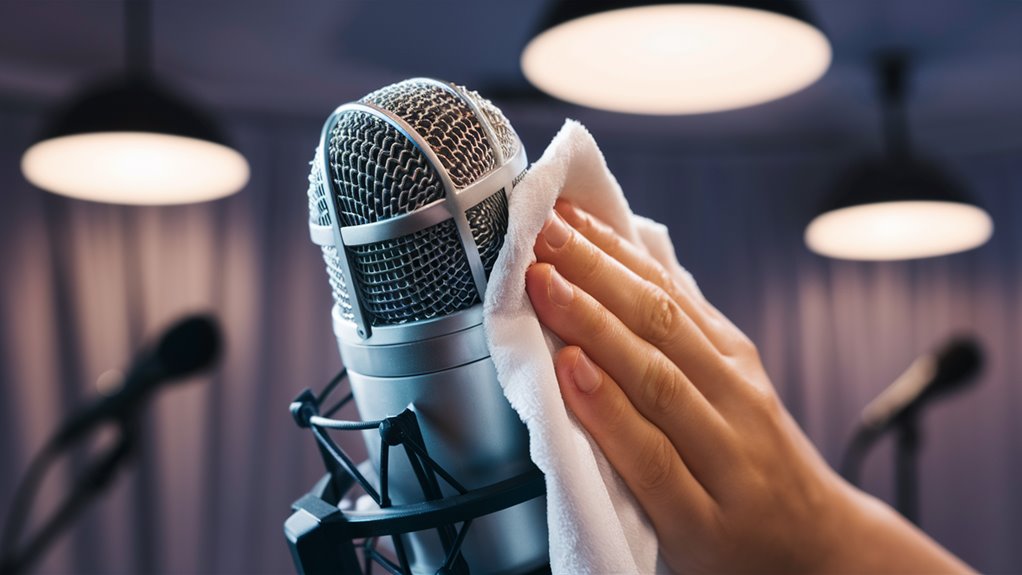
How to Keep a Mic Clean at Karaoke
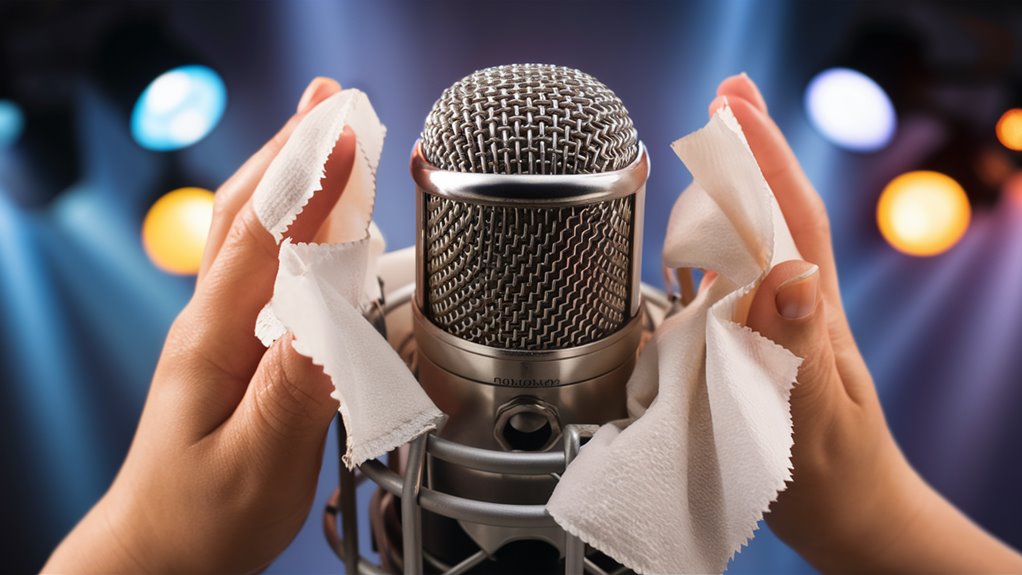
When you sing at karaoke, keeping the mic clean is key for those who care about health. Shared mics can hold lots of germs and tiny life from other users, making them spots where sickness can pass on. Knowing how to clean a mic right isn’t just about your own safety—it’s a must for a healthy karaoke spot.
Know the Dangers of Dirty Mics
Shared karaoke mics are exposed to: 베트남 황제투어
- Small drops from singing and talking
- Touch from many users
- Spit bits while in close use
- Germs from where they are kept and how they are moved
Key Steps to Keep Mics Clean
Cleaning a mic well involves:
- Using wipes with alcohol before and after using the mic
- Keeping some space from the mic while you sing
- Not putting your mouth on the mic
- Regularly cleaning the mic’s head and handle
How to Protect Yourself
Safe ways to handle a mic include:
- Having your own mic top or cover
- Using hand cleaner before and after you sing
- Asking for new mic tops from the place’s staff
- Avoiding sharing mics during group acts
What Science Shows About Germs on Mics
Studies have found a lot of germs on mics, such as:
- Germs affecting your breathing
- Bacteria causing colds
- Harmful germs
- Opportunistic germs
Big Risk Factors from Where Mics Are
The environment can affect how dirty mics get, particularly in:
- Places with high humidity
- Places with mechanical cooling
- Places where many people gather
- Indoor recreational areas
How Germs Get Around
Germs spread in various ways:
- Direct spit contact
- Breath droplets
- Skin contact
- Moisture buildup
Mic Types and Germ Risks
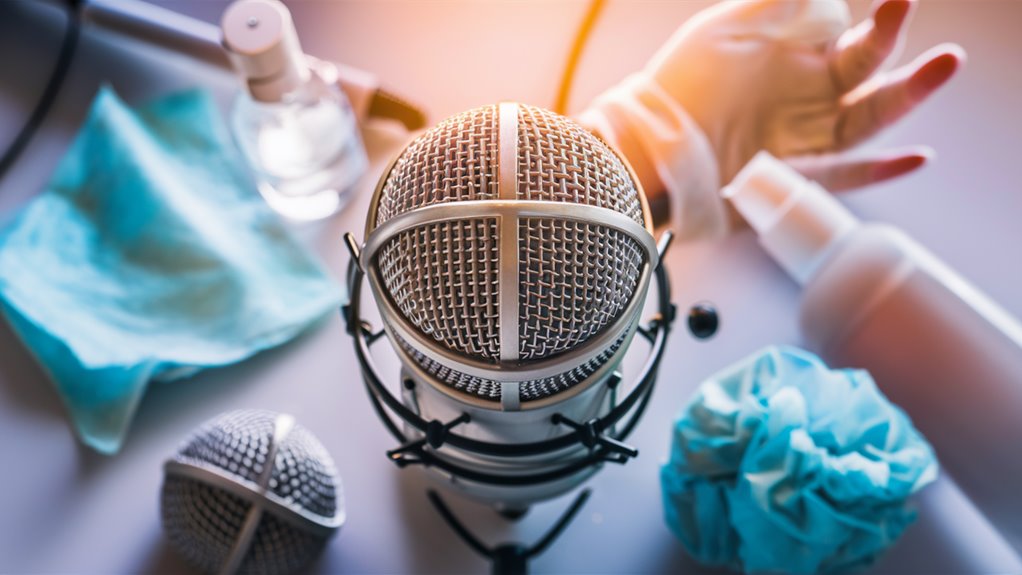
Different mic builds have different germ risks:
- Handheld mics: most touch
- Headset gear: skin contact
- Stood mics: significant concern How to Tackle Long Karaoke Queues: Reservation Tips and Tricks
- Mics with soft spots: absorb more germs
The small parts and materials of sound gear can be hotbeds for germs and bacteria.
Clean Before and After You Sing
How Singers Should Clean Mics
Keeping a mic clean is key to preventing germs in pro singing spots.
Get Mics Ready Before You Sing
Start a strong cleaning plan before going on stage by using alcohol wipes on frequently touched areas. Pay attention to the mic head and handle, where germs gather most.
What You Must Do After Singing
Cleaning well after use is a must to keep mics clean. Use safe cleaning cloths on all parts of the mic, especially near lips and hands.
Tips for Safe Shared Spots
In shared venues, maintaining both personal and equipment hygiene is crucial by observing strict cleaning and handling routines.
These care measures prevent germ spread, creating a safer environment for everyone.