
Why People Get Hooked on Betting

Betting grabs people because the brain does more than just lose control. When you bet, your brain makes strong pathways for pleasure by releasing dopamine, just like it does for drugs.
How the Brain Changes with Betting
Betting tweaks the brain’s pleasure system. Not only when amber betting you win, but also when you almost win or just think about betting, it makes you crave more by releasing big dopamine shots.
What Pushes People to Bet Too Much?
Stress, big life shifts, and other mind issues can push people into this trap. As the brain gets used to betting, it needs riskier moves to get the same thrill, which ups the danger.
How to Break the Betting Loop
Getting why people can’t just stop shows that you need more than willpower. The deep changes in the brain need special care that deals with both actions and brain chemistry linked to betting disorders.
Research shows that betting hooks can look much like drug habits, needing experts to focus on brain links and mind push factors that keep the betting cycle going.
How the Brain Gets Its High from Betting
Brain Works and Thrills in Betting
Important Brain Signals
Dopamine, serotonin, and norepinephrine are key messengers in the addiction, firing up the brain’s pleasure paths.
Images of the brain in action show big chemical bursts when betting, similar to drug use. The nucleus accumbens, a big pleasure area, gets very busy when dopamine flows in.
How Betting Changes the Brain
Long-term betting really changes brain wiring.
Over time, your brain makes less of these pleasure chemicals on its own, making you rely more on betting to feel good. To keep feeling good, you need bigger and riskier bets, just like drug users need more drugs.
Brain Control and Choices
Studies show less activity in the prefrontal cortex of those into heavy betting, touching how they control urges. This change is why they keep betting despite bad results.
More sensitivity to rewards and less control over actions create a hard cycle that usually needs pros to tackle the deep brain links.
Treatment Tips
Knowing how betting affects brain chemistry and actions shows why brain-focused care is key. Getting these brain bits helps make care that really works and can stop the betting loop.
Risk and the Rush from Dopamine
The Brain’s Love for Risk and Dopamine
The Dopamine-Risk Link
Thrilling bets make the brain’s reward spots shoot out dopamine.
Scans show big dopamine jumps not just on wins but also when bets are made.
This shows that waiting for a win can buzz the brain more than winning itself.
The Brain’s Chemical Play on Betting
The unsure nature of betting hits big neurochemical buttons in the brain.
Every bet starts a dopamine flood, no matter the result.
The highest thrill comes in that wait after you bet but before you know if you won.
This reward system in the brain lights up a lot during close wins, hitting similar excitement levels to real wins.
The “Almost Win” Feeling
Almost wins make the brain’s reward spots light up like real wins, pushing more betting.
This helps explain why it’s hard to stop betting just by wanting to—it needs rewiring established brain paths.
Big Pushes for Problem Betting
# Things that Push Problem Betting
Stuff Around Us
Betting ads and deals make us want to bet more.
Easy to get to betting spots, in real life or online, make it hard not to bet.
Money worry makes people bet, hoping it’ll fix things.
Casino ads everywhere make it tough to not think about betting.
Mind Stuff
Mind troubles are big in too much betting.
Tense feelings, sadness, and worry lead many to bet to feel better.
Big life changes like breaking up, job issues, or stopping work can make people want to bet more.
Feeling alone matters too, with betting spots offering a way to feel around people for a while.
Times and Actions That Lead to Betting
Special times make people bet more.
Paydays, big games, and times of past betting losses often make people bet.
Drinking makes it tough to make good choices and easy to bet too much.
Knowing your own betting pushes lets you make plans and avoid falling back into too much betting. It’s key to staying on track and keeping recovered.
Signs of Getting Hooked on Betting
Signs of Getting Too into Betting: All You Need to Know
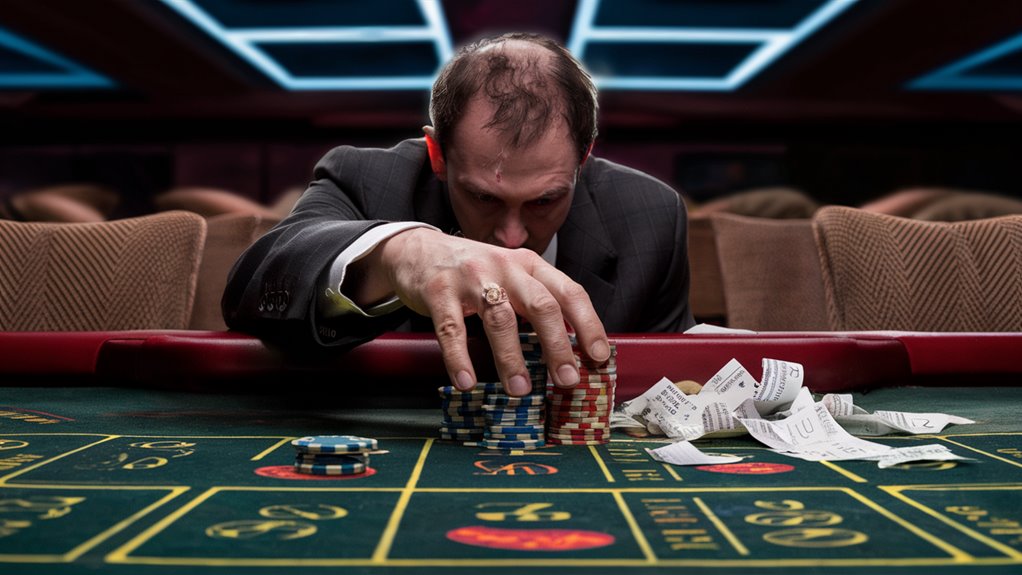
Actions That Show Warning Signs
Problem betting can show in clear ways like giving too much time to betting over other needs.
As bets get bigger, sneaky actions may start, like hiding betting from others.
Money Clues
Watch for sudden money issues that don’t add up, lots of cash needs, and growing debt.
Missed bills, less money saved, and selling things can mean big betting troubles.
Hiding bank records or loans shows trying to keep money troubles from others.
Thoughts and Feelings
Betting too much often brings on strong need to gamble and feeling uneasy when not betting.
Big mood swings, low moods, and worried times, especially after big losses or trying to quit, show deeper issues.
Healing and Moving Forward
When people see the problem and look for help, that’s a good start.
Getting help from pros, going to groups, and getting family help gives strong steps towards getting better.
Working on actions and money plans together supports getting over bet troubles.
How to Avoid Too Much Betting
Being firm on limits, being open with loved ones, and watching closely for early warning signs are key.
Signing up for self-help groups and getting support helps keep you strong against getting drawn back into betting too much.
Easing the Push from Stress
The Push from Stress on Betting Too Much
How Stress and Betting Connect
Stress is a big push in both starting and keeping up too much betting.
Seeing how stress and betting link up shows why many turn to betting to handle hard feelings.
The brain’s way of tackling stress, with cortisol, messes up making choices and makes you chase rewards, boosting betting.
The Bad Loop of Stress and Betting
Lasting stress keeps the problem betting going. Seeking a break from worry through betting gives a quick fix but adds more stress from losing money and social hits.
Research shows high stress makes you want to bet more, especially if you’re trying to stop. The body’s stir-up from stress works like the thrill from betting, making it easy to slip back in.
Stress Kicks and Brain Links
Hard times from work, home, or https://maxpixels.net/ money problems up the chance of falling back into too much betting.
Brain scans show stress fires the same brain spots that get going in betting addiction, linking hard feelings and too much betting.
This brain proof shows why handling stress is big in good betting care plans.
Good Ways to Handle Stress in Getting Better
Good care plans need strong ways to deal with stress to really help with betting problems. Getting the brain and heart of how stress links to betting helps build plans that really work to prevent and get past too much betting.
Stopping the Loop: A Complete Guide to Getting Better
Getting the Grip on Betting Habits
Getting over addiction needs a clear, fact-backed way to break old habits.
A full better plan has three main parts: acting right, thinking right, and setting right.
Seeing and Handling What Makes You Bet
Watching yourself closely is key to better. Note down your betting acts, like:
- What sets it off
- When you do it
- How you felt
- What was around you
Making Changes in Actions
Keeping Money Safe
- Setting up blocks
- Managing accounts
- Automatic bill pays
- Having someone else watch your money
New Things to Do
Find new actions that give joy without the risk:
- Moving your body
- Making art
- Being with others
- Learning skills
Building Teams to Help You Get Better
Working with pros and others can really help you get better. Main help includes:
- One-on-one talks
- Group chats
- Family sessions
- Community help
Refreshing Your Mind
CBT methods help change how you think about betting:
- Spot wrong thoughts
- Build ways to cope
- Test your thoughts
- Focusing your mind
Keeping Better for Good
Lasting better comes from:
- Watching yourself
- Going to support groups
- Changing how you live
- Managing stress
Ways to Get Better from Too Much Betting
Ways That Are Proved to Help
Getting a full mind check starts good betting care.