Online discussions do not fall neatly into two groups. Some platforms allow completely anonymous posts, some use persistent usernames, and others connect contributions to public professional or personal profiles.
On 4chan, a person can generally post without maintaining a persistent public identity. Reddit is better described as pseudonymous because users usually participate through usernames that can develop a visible posting history. Reddit itself states that most users select usernames that do not reveal their real identities. Blind uses another model: it verifies employment or professional access while separating that verification from the identity displayed in discussions. LinkedIn, by contrast, requires a real or preferred professional name, although optional identity verification is a separate feature.
These identity systems influence discussion, but they are not the only factors involved. Moderation, community size, voting systems, account history, audience expectations, topic sensitivity, and the risk of real-world consequences can be equally important. An anonymous board can maintain strict rules, while a profile-based network can still contain harassment, misinformation, and performative behavior.
Core Psychological and Assessment Mechanisms Behind the Two Discussion Styles
The difference between the two environments is better explained through perceived exposure and the information available for judging a speaker.
Psychological Drivers: Unfiltered Honesty vs. Social Reputation Pressure
On Anonymous Boards: Anonymity or pseudonymity can reduce the perceived social cost of speaking. A user may feel more comfortable discussing workplace problems, embarrassing experiences, unpopular opinions, or other matters that could cause conflict if attached to a searchable public profile.
This tendency is related to the online disinhibition effect, in which people communicate online in ways they might avoid in face-to-face settings. However, anonymity is only one part of that effect. Invisibility, delayed communication, lack of eye contact, individual personality, community norms, and perceived consequences also influence behavior. One experimental study found that lack of eye contact contributed more strongly to negative disinhibition than anonymity alone.
Reduced inhibition can have positive and negative results. It may encourage honest self-disclosure, whistleblowing, emotional support, and criticism of powerful institutions. It can also make insults, fabricated stories, harassment, or impulsive accusations easier to publish. Research does not support the simple claim that anonymous participation automatically causes harmful behavior or produces greater honesty in every setting. Findings vary according to the platform, subject, audience, and method of measurement.
On Real-Name Communities: When comments are connected to a public profile, participants may consider how their words could be interpreted by coworkers, clients, friends, relatives, or future employers. This can encourage more careful wording, but it can also discourage legitimate criticism.
LinkedIn requires profiles to use a person’s real or preferred professional name and does not permit ordinary profiles to use pseudonyms or organizational names. Identity verification is optional, so the presence of a name and employment history should not automatically be treated as proof that every profile detail is verified.
Users may also write for several audiences at once. A workplace comment intended for industry peers can be seen by a manager, recruiter, customer, or family member. This broad and unpredictable audience can lead people to avoid sensitive subjects or present opinions that support their desired public image.
Assessment Mechanisms: “What Is Said” vs. “Who Is Saying It”
Anonymous Assessment: When little personal information is available, readers have fewer status signals to use. They may pay more attention to the evidence, reasoning, writing style, account history, community votes, or responses from other participants.
This does not mean anonymous arguments are judged only on merit. Users can still be influenced by popularity, group loyalty, usernames, badges, posting frequency, moderator labels, or the position of a comment in a thread. Persistent pseudonyms can also develop reputations over time.
Real-Name Assessment: A visible job title, employer, education history, photograph, or verification badge can influence how readers evaluate a statement. Relevant expertise may be useful, but profile credentials do not confirm that a particular claim is accurate.
A senior executive can offer weak advice, while an unknown participant can provide strong evidence. Research on online credibility has found that readers use non-content cues when evaluating sources, but those cues should be considered alongside explanations and supporting material rather than replacing them.
Distinct Features of Discussions on Anonymous Boards
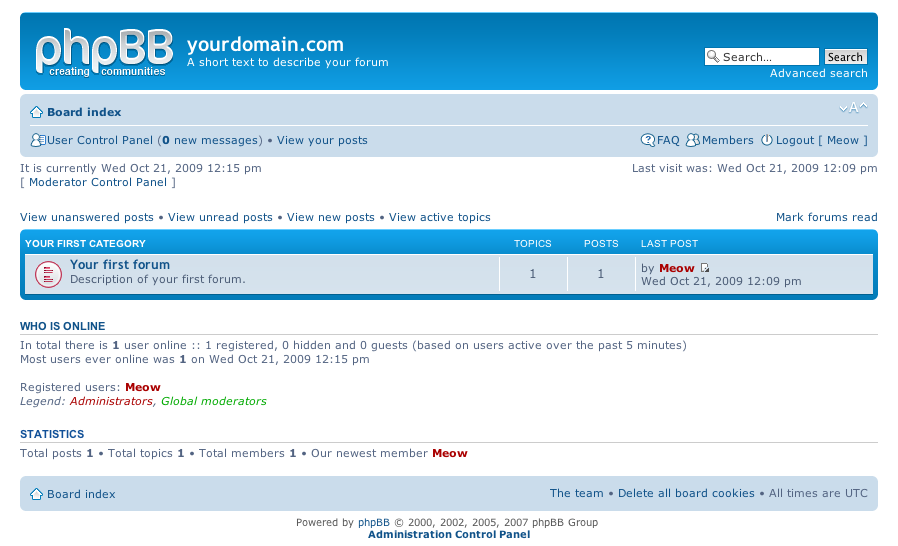
Anonymous and pseudonymous spaces can include 4chan, Reddit communities, Blind, and traditional bulletin boards, but these services do not use identical identity systems.
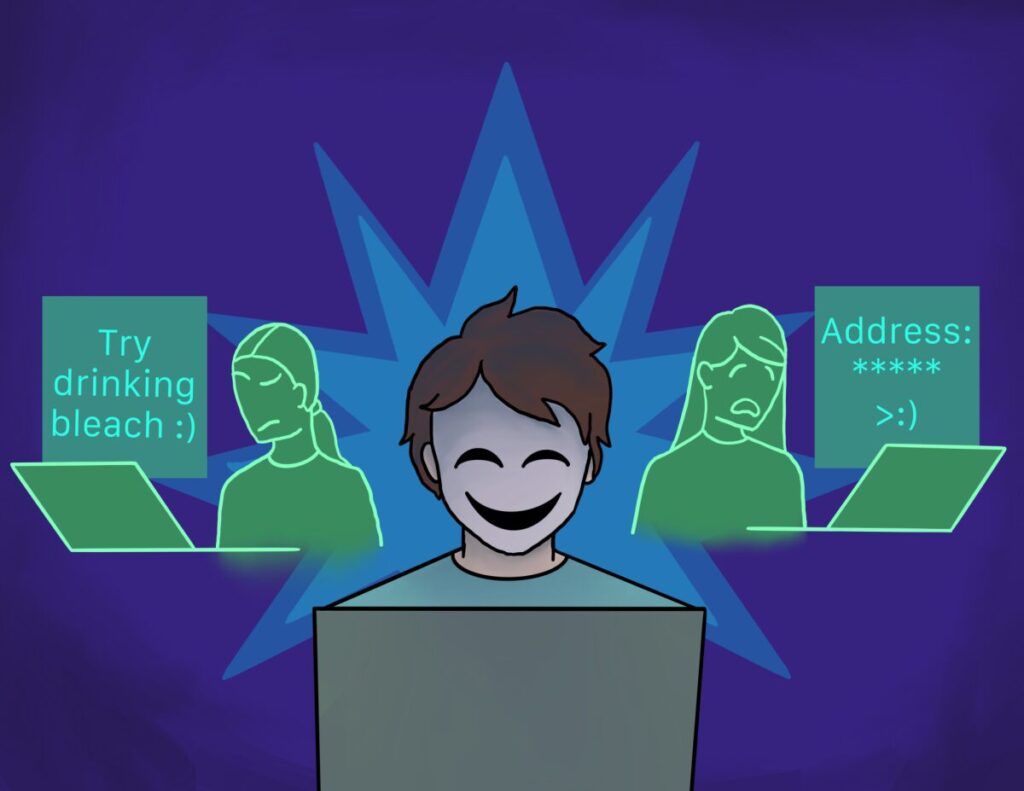
Rapid, Blunt, and Unforgiving Feedback: Users may offer direct criticism because they face fewer personal or professional consequences. The tone also depends heavily on local rules. A well-moderated pseudonymous forum may be more constructive than a poorly moderated profile-based group.
A Sanctuary for Taboo and Sensitive Topics: Reduced identity exposure can help users discuss salary, discrimination, workplace conflict, family problems, sexuality, financial hardship, or other sensitive matters. Blind, for example, verifies professional access while describing its community as anonymous, allowing workplace discussions without publicly attaching them to an employee’s name.
Anonymity should not be confused with complete privacy. Platforms may still collect account, device, email, or network information. Reddit explains that its data records can include posts, comments, votes, account preferences, and recent IP addresses. Users can also reveal themselves indirectly through employer names, locations, schedules, writing patterns, or detailed personal stories.
Rise of Subculture Humor, Memes, and Slang: Communities organized around persistent usernames or repeated participation often develop shared vocabulary, jokes, posting formats, and informal rules. These signals strengthen group identity, although they may make the discussion difficult for newcomers to follow.
Distinct Features of Discussions on Real-Name Communities
Profile-based services such as LinkedIn connect contributions to visible professional identities. Facebook and Quora may also display recognizable identities, but a visible name alone does not establish that the person has completed formal identity verification.
Constructive, Polite, and Professional Tone: Participants may use more measured language when their comments are searchable and attached to a professional profile. This tendency is not guaranteed. Real-name users can still post aggressive, misleading, or discriminatory material, particularly when they expect support from their social group.
High Verifiability and Information Trust: A detailed profile gives readers more information to investigate, such as the speaker’s employer, field, publication history, or mutual connections. It may help readers determine whether claimed expertise is relevant.
It does not make the underlying statement true. Employment and education details can be exaggerated, outdated, unrelated to the topic, or entirely fabricated. LinkedIn provides optional identity and workplace verification, but it also maintains reporting and restriction procedures for fraudulent profiles.
Emergence of “False Consensus”: People may withhold disagreement when criticism could damage a working relationship or public image. The result can be visible agreement that does not represent what participants privately believe.
The term “false consensus effect” has a specific psychological meaning involving the tendency to overestimate how widely others share one’s beliefs. A discussion in which people remain silent to avoid reputational risk is more accurately described as self-censorship, conformity pressure, or preference falsification.

Pros and Cons of Anonymous Boards
| Criteria | Advantages | Disadvantages |
|---|---|---|
| Authenticity | May reduce fear of embarrassment or retaliation, allowing people to discuss sensitive experiences | Anonymity does not prove honesty; users can exaggerate, impersonate others, or invent stories |
| Equality | Reduces the immediate influence of job titles, wealth, appearance, and public status | Readers may have difficulty assessing relevant experience or conflicts of interest |
| Personal Risk | Can reduce public exposure for whistleblowers, workers, patients, and people discussing private matters | Detailed posts can still reveal identity, and anonymity may be abused for harassment or misinformation |
| Continuity | Persistent usernames can build a reputation without exposing a legal name | Fully anonymous posts may make it difficult to distinguish reliable contributors from repeat offenders |
| Discussion Quality | Can surface criticism that would be suppressed in an identity-linked setting | Weak moderation can allow hostility, manipulation, spam, and coordinated abuse |
“Anonymous” does not mean every participant has an equal voice. Voting systems, moderator authority, account age, platform algorithms, timing, and group norms can give some users far more influence than others.
Pros and Cons of Real-Name Communities
| Criteria | Advantages | Disadvantages |
| Accountability | A visible identity may increase the perceived cost of knowingly harmful conduct | Exposure can discourage justified criticism and put vulnerable users at risk |
| Credibility | Profiles provide additional context about a person’s claimed background | Readers may mistake status for evidence or rely on an appeal to authority |
| Networking | Discussions can lead to professional contacts, collaboration, recruitment, and public recognition | Participation may become promotional, cautious, or focused on personal branding |
| Continuity | Contributions can form a public record associated with one professional identity | Old statements may remain searchable after the context, role, or opinion has changed |
| Sensitive Discussion | Named specialists may provide accountable public explanations | Users may avoid discussing health, workplace, financial, or family problems openly |
The activity level of a community also affects the quality of its discussions. Even a well-designed identity system becomes less useful when experienced members stop participating and unanswered posts accumulate. [How Users Move to Other Boards, Online Cafes, and Messenger Spaces When a Community Becomes Less Active] explains how conversations may continue across other spaces after an established forum begins to decline.
When Should You Choose Anonymity vs. Real Identity?
The appropriate format depends on the sensitivity of the subject, the evidence required, and the consequences of linking the statement to a public identity.
You Should Choose Anonymous Boards When:
Seeking peer experiences about a sensitive personal or workplace matter without immediately exposing your identity.
Collecting candid reactions to an idea, product, company policy, or community problem.
Discussing whistleblowing, discrimination, salary, or organizational conduct when public identification could create retaliation risk.
Separating a personal discussion from a professional profile.
Remove details that could identify you or another person. Do not post private documents, employer secrets, medical records, addresses, or allegations that cannot be supported. Anonymous advice should not replace qualified medical, legal, financial, or emergency assistance.
You Should Choose Real-Name Communities When:
Building a professional reputation or maintaining relationships with known collaborators.
Publishing work that requires clear authorship, attribution, or responsibility.
Organizing a long-term project in which participants need to know one another’s roles.
Seeking input from identifiable specialists whose qualifications can be examined.
Even in a real-name setting, evaluate the evidence rather than relying only on titles, profile badges, or employer names.
Anonymous boards and identity-linked communities produce different conversations because participants face different levels of exposure, reputation risk, and social context. The difference is not simply honesty versus politeness.
Anonymity and pseudonymity can make sensitive disclosure and criticism easier, but they can also reduce the immediate consequences of deception or abuse. Public profiles provide context and continuity, yet they can create self-censorship, status bias, and pressure to protect a personal brand.
The most useful discussion space is the one whose identity rules, moderation, audience, and privacy risks fit the subject. Use pseudonymous spaces to reduce unnecessary exposure, and use identity-linked communities when attribution and professional relationships matter. In both cases, judge claims through evidence, corroboration, and relevant expertise rather than treating either anonymity or a visible name as proof of truth.